
There’s such a thing as “too much information”, especially for



There such a thing as too much infornation especially for you
There such a thing as too much infornation especially for you

There such a thing as too much infornation especially for you









There’s such a thing as “too much information”, especially for

There’s such a thing as “too much information”, especially for

There’s such a thing as “too much information”, especially for
There such a thing as too much infornation especially for you
There such a thing as too much infornation especially for you
There such a thing as too much infornation especially for you
Humanitarian Affairs Liaison - MSF Bangladesh
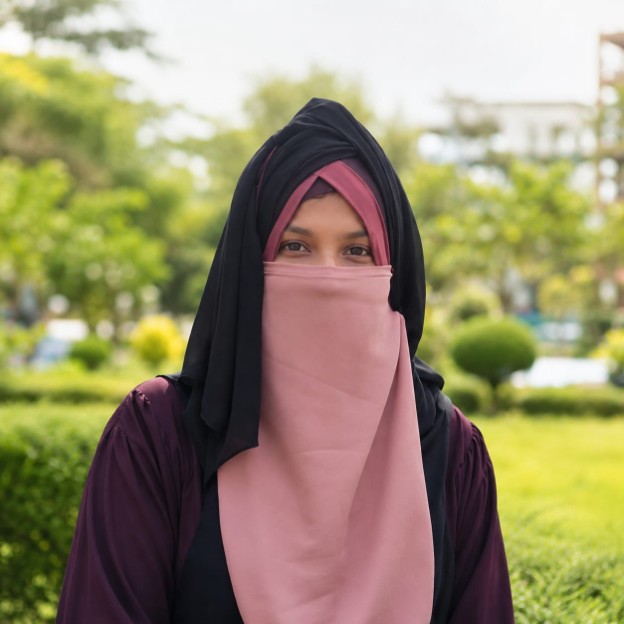
Showkat Ara is a Rohingya refugee originally from Buthidaung, Myanmar, who fled to Bangladesh during the 2017 exodus. Since 2018, she has worked with Médecins Sans Frontières (MSF) in various roles. Besides this, she is also engaged with a civil society organization (Comrades of Rohingya Youth- CRY) that works for girls' education and human rights. In 2026, she completed BRAC University's Refugee Higher Education Access Program (RhEAP) and was afterward awarded a scholarship to pursue a Bachelor's degree in English Literature at De La Salle Araneta University in the Philippines, beginning in September 2026.
National co-convenor, People’s Health Movement – India Senior scientist, SATHI, India
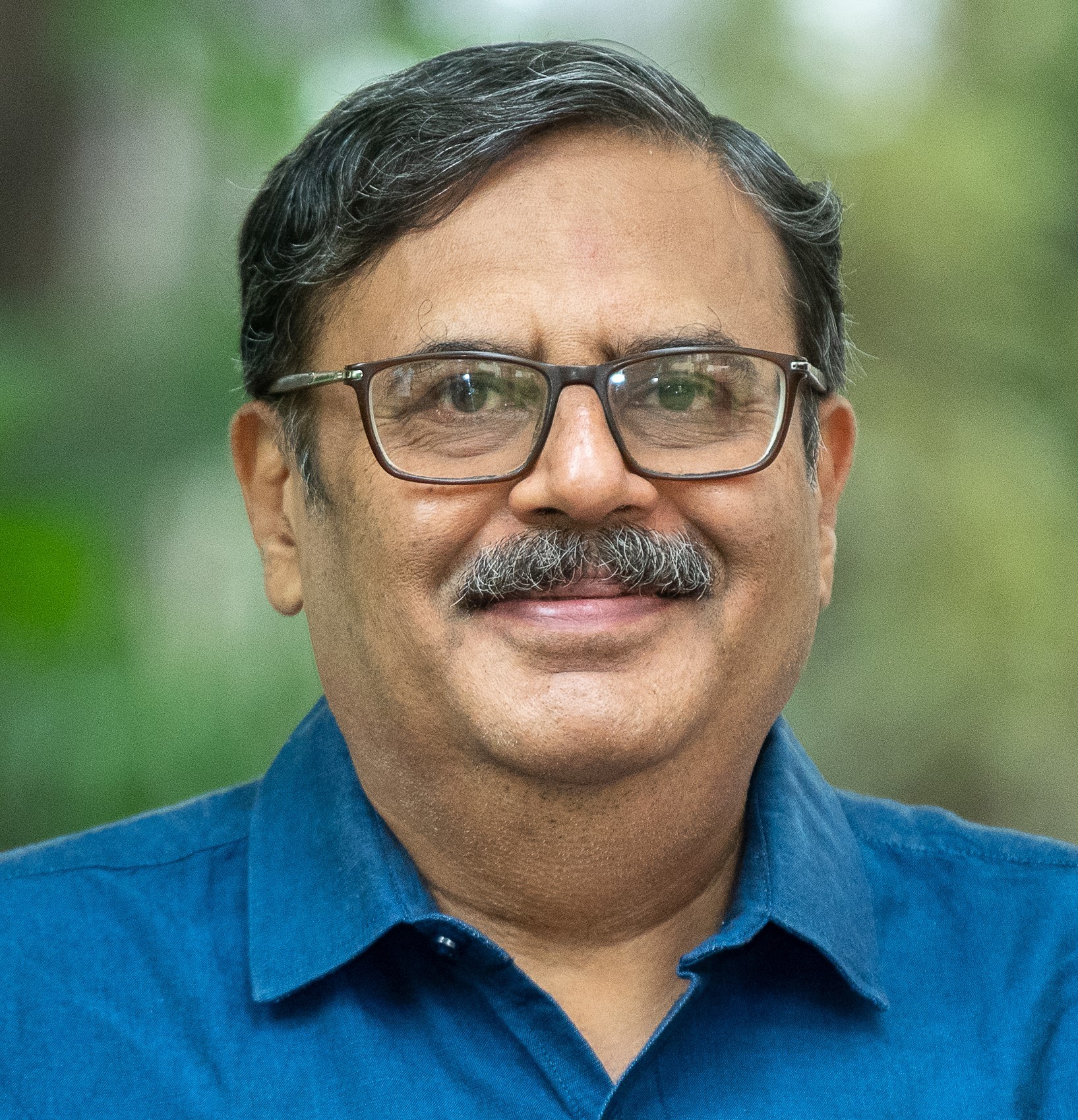
Expertise in: Patient Rights
Dr Abhay Shukla is a public health physician, working on community and public health issues in Maharashtra since last three decades. He is Senior scientist at SATHI (Support for Advocacy and Training to Health Initiatives), while having membership of the Core group on Health of National Human Rights Commission. He is national co-convenor of Jan Swasthya Abhiyan, and is a Global steering committee member of the People’s Health Movement.
Abhay has been centrally involved in developing the framework of rights-based community monitoring and planning of health services in India. He has mentored this process for public health system accountability across Maharashtra since 2007 which now covers over a thousand villages, helping people to reclaim and majorly improve health service delivery. He has also mentored the development of Community Action for Nutrition (CAN) processes since 2017, which have led to significant positive impacts and substantially reduced malnutrition in over 400 villages in tribal areas across Maharashtra.
Abhay led the drafting of the national ‘Patients’ Rights Charter’, adopted by NHRC and the Union Health Ministry. He has authored / co-authored various publications on the health system in India, including the popular book ‘Dissenting Diagnosis’ (published by Penguin) which exposes malpractices in the private medical sector in India. He is one of the founders of the national network, Alliance of Doctors for Ethical Healthcare. Currently he is researching corporatisation and financialisation of healthcare in India, while campaigning for right to health, public health system accountability, and social regulation of private healthcare sector.
Abhay has recently co-authored two papers for UNU-IIGH – one on Corporatisation of private healthcare in India promoted by globalised investments, and another on Effects of corporatisation on clinical practice in Private healthcare institutions.
He led a team which facilitated large scale audit of private hospital bills of COVID patients, leading to unprecedented refund of overcharged amounts by private hospitals to patients. He represents the Indian region in the People’s Health Movement global steering committee. He is actively involved in campaigns for right to healthcare, accountability of public health services, resistance to healthcare privatisation, social regulation of private healthcare, rights of frontline health workers, and advocating for a system of Universal Health Care.
Rohingya Community Organizer
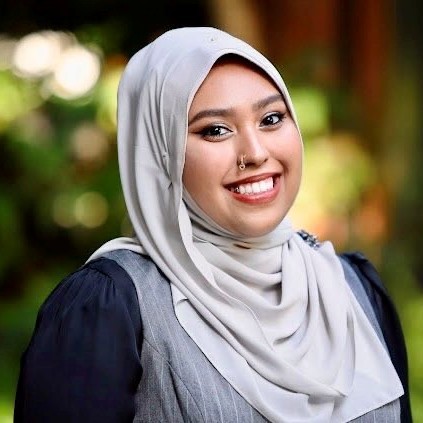
Expertise in: Rohingya Women's Rights
Nurhayati Ali is a Rohingya community organizer based in Milwaukee, Wisconsin, dedicated to advancing women’s inclusion and empowerment within her community. Born in Yangon, Myanmar, she resettled in Wisconsin in 2002 as part of the state’s first Rohingya family and grew up in the United States as a Rohingya refugee. She is the Co-Founder and Director of Health and Human Services at the Rohingya Maìyafuìnor Collaborative Network, a women-led, refugee-led, and Rohingya-led organization working on human rights, sexual and gender-based violence prevention, education, and translocal solidarity with a focus on women, peace, and security.
Professionally, Nurhayati is an aspiring dentist, and she earned her undergraduate degree in Neurobiology from the University of Wisconsin–Madison. In her free time, she enjoys drawing, arts and crafts, and exploring new cafés and hobbies. Her work in both healthcare and advocacy is rooted in her identity as a Rohingya woman and her commitment to supporting and uplifting her community. Through healthcare, arts, and service, she hopes to create spaces where marginalized voices are heard and to inspire young women and girls to believe in their ability to grow, heal, and rise despite adversity.
Adjunct Faculty, JIPMER International School of Public Health
Expertise in: Health Rights
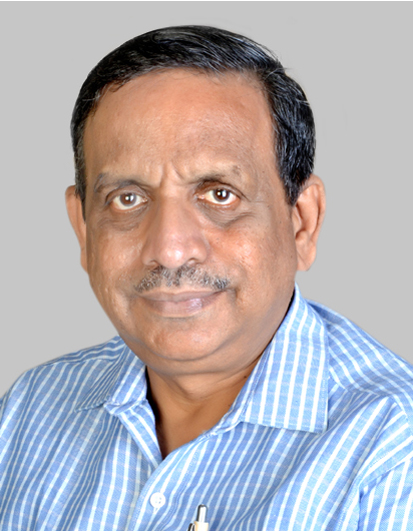
Dr T Sundararaman was a professor of medicine in JIPMER, Puducherry (from 1984 to 2002), before he shifted to working full time with health systems strengthening and health policy – initially, for 5 years as the director of the State Health Resource Centre, Chhattisgarh, and then as the executive director of the National Health Systems Resource Centre for 7 years. He then taught public health and health systems in CSMCH in JNU for a year and served as professor and dean of the School of Health Systems Studies at TISS Mumbai for 4 years. He has a number of publications, both books and journal articles in the field of health systems and health policy.
Other than his professional career, Dr Sundar is well known as a champion for health rights, and has helped in organising and guiding and peoples health movements, which is a global network of civil society organisations that works for health rights and health equity. He has also served as its global coordinator and as a member of its global steering council.
Currently, he is an independent consultant and an adjunct faculty in the JIPMER International School of Public Health.
WHO Representative to Sri Lanka
Expertise in: Global Public Health
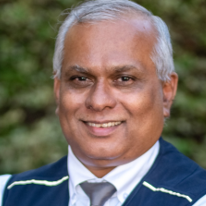
Dr Rajesh Sambhajirao Pandav assumed responsibilities as WHO Representative to Sri Lanka in December 2025. An Indian national, Dr Pandav is a senior global public health leader with over three decades of experience in epidemiology, health policy, health systems strengthening, program management, emergency preparedness and response.
Dr Pandav previously served as the WHO Representative to Nepal from September 2020 to November 2025, and to Timor-Leste from April 2015 to September 2020. His association with WHO started in 2004 with Mental Health and Substance Abuse Unit in the WHO Regional Office for South-East Asia Region. Since then, he has served WHO in various capacities that include: Medical Officer (Public Health), WHO Country Office for Maldives (2009-2011); and Health Policy Advisor, WHO Country Office for Timor-Leste (2011-March 2015).
Dr Pandav’s leadership has been recognized through several prestigious awards, including the WHO Director-General’s Excellence Award (2017), WHO DG’s Award for Excellence for championing the Walk the Talk initiative (2018–2019), and the Special Initiative for Mental Health Award (2022). He was conferred the Order of Timor-Leste by President José Ramos-Horta in May 2023 and received the Alumni Award for Practice from the University of Pittsburgh in November 2023.
He has authored several scientific publications. Prior to joining WHO, Dr Pandav served as Senior Research Associate, Western Psychiatric Institute and Clinic, University of Pittsburgh Medical Center, USA. He received his MBBS degree from Grant Medical College, Mumbai, India; and a Master's in Public Health from the University of Pittsburgh, USA.
Personal Under Secretary to the Prime Minister of Nepal

Expertise in: Public Policy Implementation and Government Coordination
Prakriti Dhakal serves as Personal Under Secretary to the Prime Minister of Nepal, working within the Policy and Strategy Unit at the Office of the Prime Minister and Council of Ministers in Kathmandu. In this role, she coordinates policy delivery and inter-ministry engagement across key social and economic sectors, helping translate government priorities into implementation on the ground.
Prakriti holds an MSc in Global Health Policy from the London School of Economics and a Master's in Non-Profit Management from Westcliff University. Her work bridges health systems expertise with hands-on government delivery, spanning health financing reform, regional cooperation, and policy research. She contributed as a member of the Climate Policy, Governance and Finances Working Group for MSF South Asia's Climate and Health Issue Brief, helping shape its regional evidence base and policy recommendations.
Before joining government, she co-founded INLab and the CEE SRHR Innovation Hub in partnership with a Sri Lankan team and served as Executive Director of United For Impact, delivering public health community interventions in Sri Lanka alongside her regional civil society work. Her contributions have been recognized with the Map the System Excellence Award from Oxford and an Outstanding Leadership award from the U.S. Department of State.
Based in Nepal, she brings a Global South, government-side perspective, along with a longstanding personal connection to Sri Lanka, to conversations on health sovereignty, financing, and equitable access.
Physician and Humanitarian Health Leader, MSF
International Mobile Staff, Médecins Sans Frontières
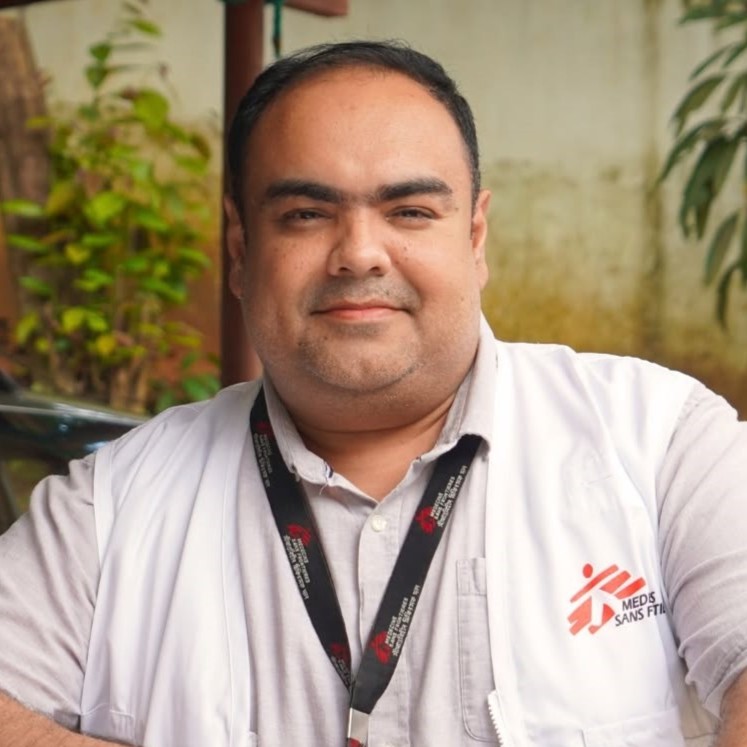
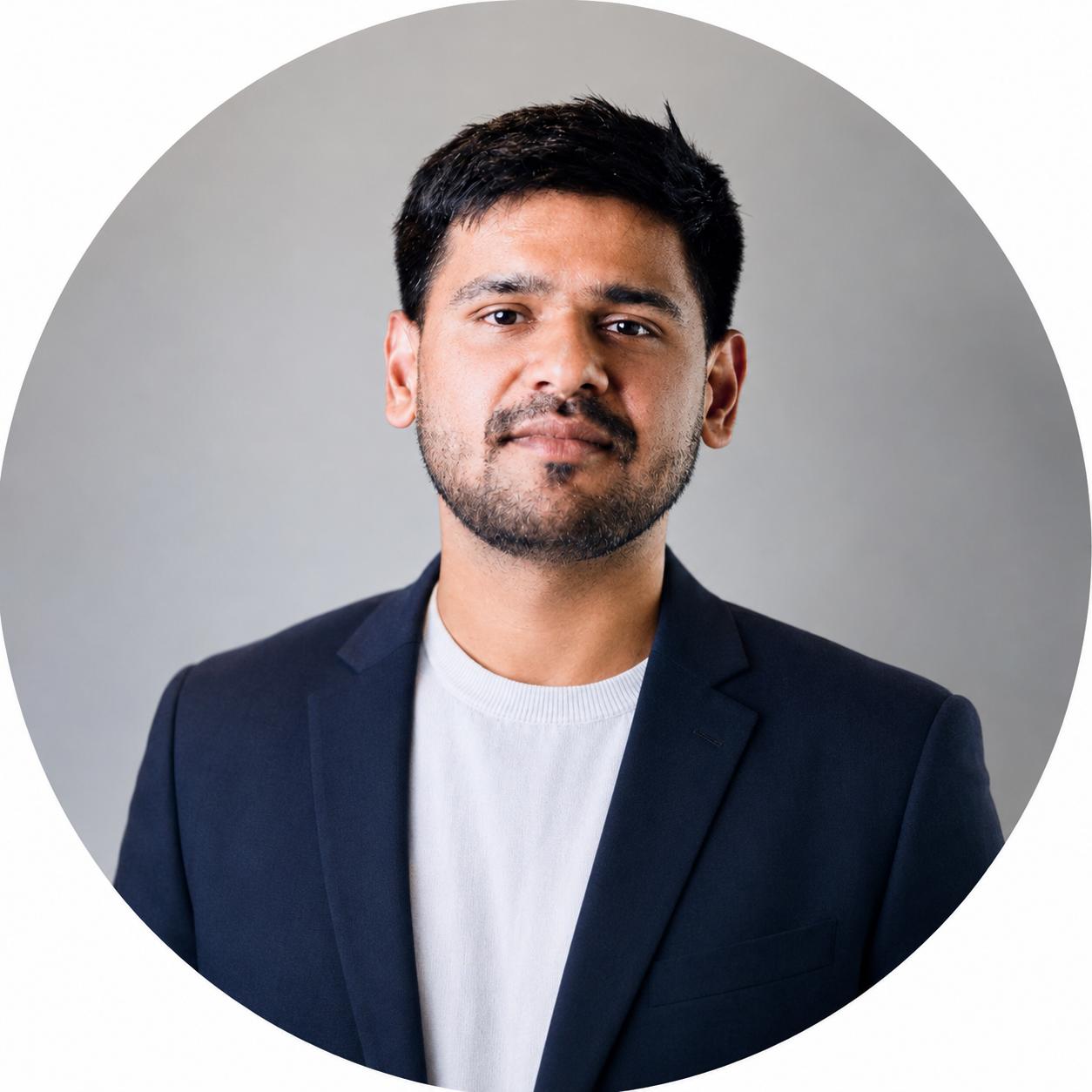
Imtiaz Wadud is a humanitarian operations leader with over 18 years of experience managing complex emergency and post‑conflict programs across Asia, Africa, and the Middle East. He has held senior leadership roles with Médecins Sans Frontières, including Head of Mission in India & Bangladesh and currently Operations Deputy Head of Mission in Ethiopia. He previously worked as Logistic Coordinator in Zimbabwe, Uzbekistan, and Tajikistan, and as Resource Manager in Uzbekistan/Tajikistan, Ethiopia and South Sudan. He also served as Deputy Director of Operations for the International Rescue Committee in Bangladesh
Trained as an engineer with a Master’s in Disaster Management, Imtiaz has led large‑scale primary and secondary healthcare, mental health, SGBV, MDR‑TB, HIV, malaria, and emergency response interventions (including COVID‑19, cholera, floods, cyclones, refugee crises, WASH, and vaccination).
Senior Adviser Asia and Project Director, South Asia, for the International Crisis Group
Expertise in: International Humanitarian Law and Policy
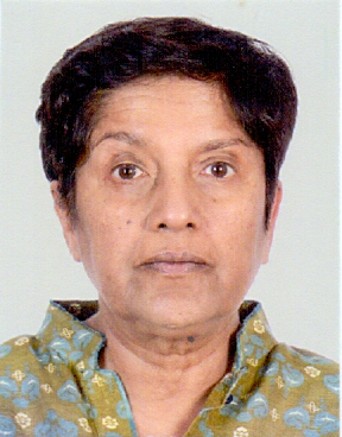
Samina Ahmed is Senior Adviser Asia and Project Director, South Asia, for the International Crisis Group. She oversees Crisis Group’s work in Pakistan, Afghanistan, Bangladesh, India and Nepal. Together with our analysts throughout the region, she prepares reports on the political, social, economic and military factors that increase the risks of violent extremism and inter-state conflict, and offers policy recommendations to overcome these threats.
In general, her team focuses on political, security and stability issues in South Asia, including governance challenges; educational, judicial and security sector reform; domestic and regional militancy and terrorism; domestic insurgencies and the risks of inter-state conflict, and international involvement and intervention in the region.
She also frequently briefs representatives of foreign ministries and international organisations, and is regularly involved in advocacy efforts internationally.
Ahmed has a PhD in Political Science and an MA in International Relations from the Australian National University. Prior to joining Crisis Group, she was a research fellow at the Kennedy School of Government, Harvard University and senior research analyst at the Institute of Regional Studies, Islamabad. She was a Peace Fellow at New York University, Abu Dhabi, and a visiting researcher at the Carnegie Endowment for International Peace, Washington DC, the Stockholm Peace Research Institute, and Oxford University.
Professor, School of Liberal Arts & Social Sciences Global Studies & Governance (GSG) Program, Independent University, Bangladesh
Expertise in: Global Studies & Governance
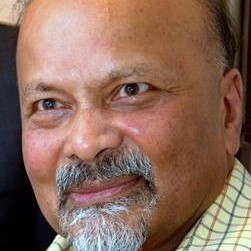
As the Founder of Global Studies & Governance Department at Independent University, Bangladesh (2016- ), and a Professor since 1989 (Philadelphia University/Universidad Iberoamericana, 1990-2014), Imtiaz Hussain created/taught wide-ranging International Relations/Global Studies/Governance courses. He also authored several books: Multifaceted Development; Branding Bangladesh; Coronavirus Pandemic & Online Education; Rohingya Camp Narratives: Tales From the ‘Lesser Roads’; Local-Global tradeoffs; Order-disorder Consequences: “State” no more an Island?; South Asia in Global Power Rivalry; Transatlantic Transactions; North American Regionalism; Evaluating NAFTA; Border Governance and the ‘Unruly’ South; and Afghanistan-Iraq and Post-conflict Governance. His scholarly articles have also appeared in Journal of International Relation; Encyclopedia of U.S.-Latin American Relations; Handbook of Global Security and Intelligence; South Asian Survey; Politics & Policy; Journal of the Asiatic Society of Bangladesh; & Norteamérica; and media outlets in Dhaka’s Daily Star, Dhaka Tribune and Financial Express newspapers. A recipient of several research fellowships, invitations for specialized conferences, and teaching awards (University of Pennsylvania; Universidad de las Americas, Mexico City; and Independent University, Bangladesh), Professor Hussain’s professional journey began upon graduating from University of Pennsylvania in 1989 (Pol Sci).
Director of Communications, MSF South Asia
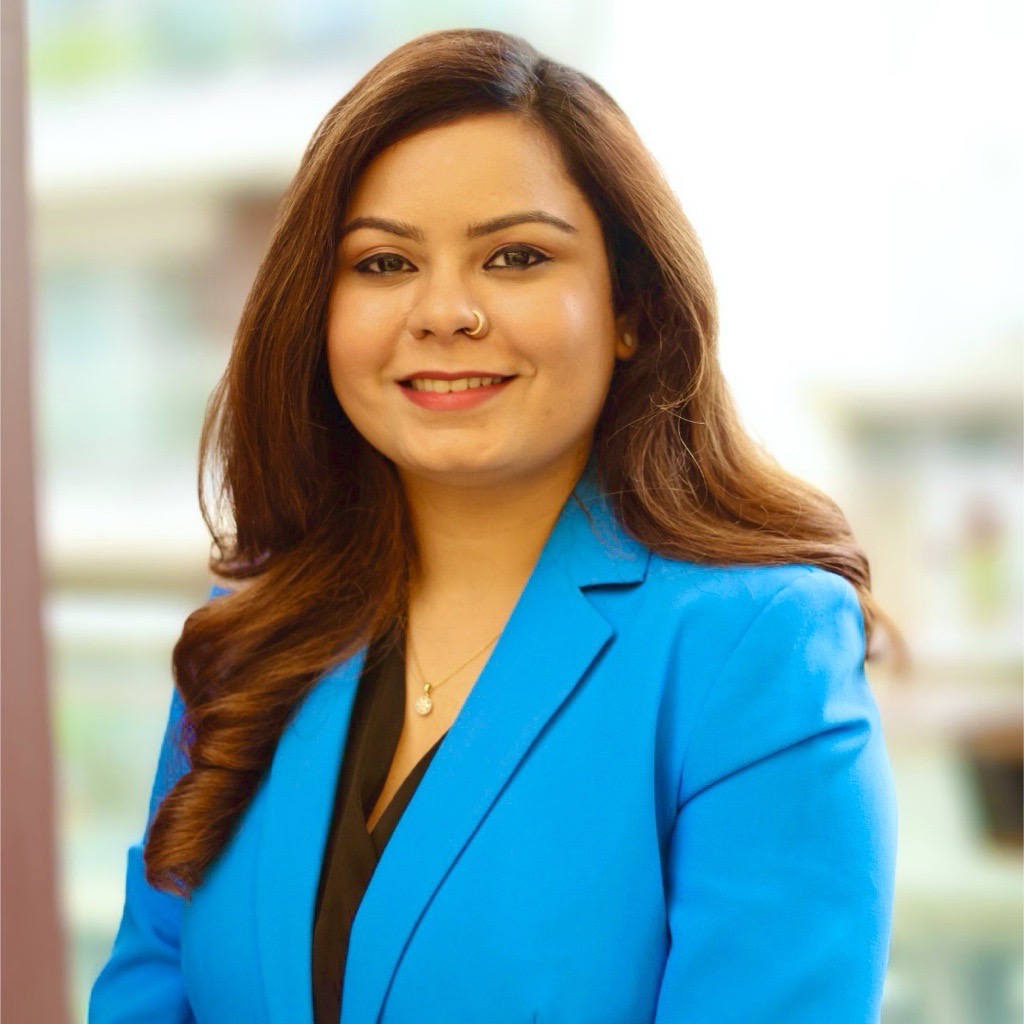
Nishita Sharma is the Director of Communications, South Asia at Doctors Without Borders/ Médecins Sans Frontières (MSF), where she leads regional communications strategy, media relations, and stakeholder engagement efforts across India, Afghanistan, Nepal, Pakistan, Sri Lanka, and Bangladesh. She brings extensive experience in communications, partnerships, marketing, and advocacy across UNICEF, government ministries, and global agencies. She has shaped award-winning campaigns and high-stakes public narratives across the humanitarian and development sectors. She regularly speaks on humanitarian engagement, youth development, climate, health and mental health, gender etc.
Obstetrician and Gynaecologist, MSF
Campaigns Manager, MSF South Asia
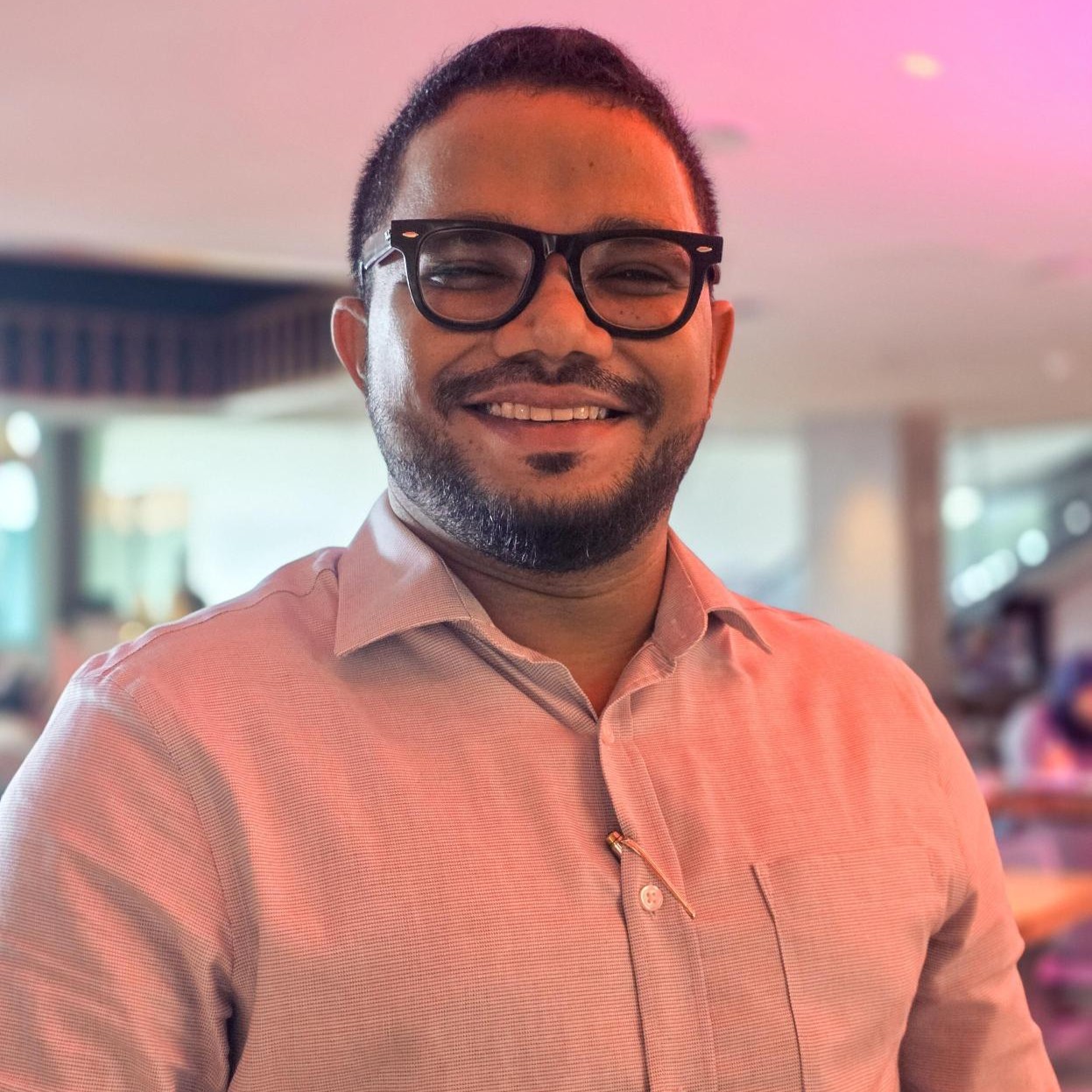
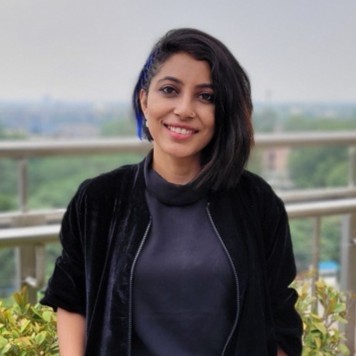
Nadim Majeed is the Campaigns Manager at Doctors Without Borders/Médecins Sans Frontières (MSF) South Asia, where he leads public engagement. A broadcast journalist with over a decade of experience covering politics and socio-economic issues, Nadim was a news anchor and executive producer at Newsfirst Sri Lanka. He later served as Associate Editor and Producer at Watchdog, the open-source investigative journalism, fact-checking, and social technology collective. At the height of Sri Lanka's economic crisis, he supported the development of Elixir, a platform that tracked and matched shortages of medicines and equipment reported by public hospitals and clinics across the country. His advocacy work includes anti-corruption and governance campaigns with Transparency International Sri Lanka, and training emerging youth and women political leaders in campaign communications with the International Republican Institute (IRI). Nadim's career bridges journalism, civic training, and humanitarian communications, with a consistent focus on accountability, transparency, and public-interest storytelling.
Founder, Sisterhood Initiative
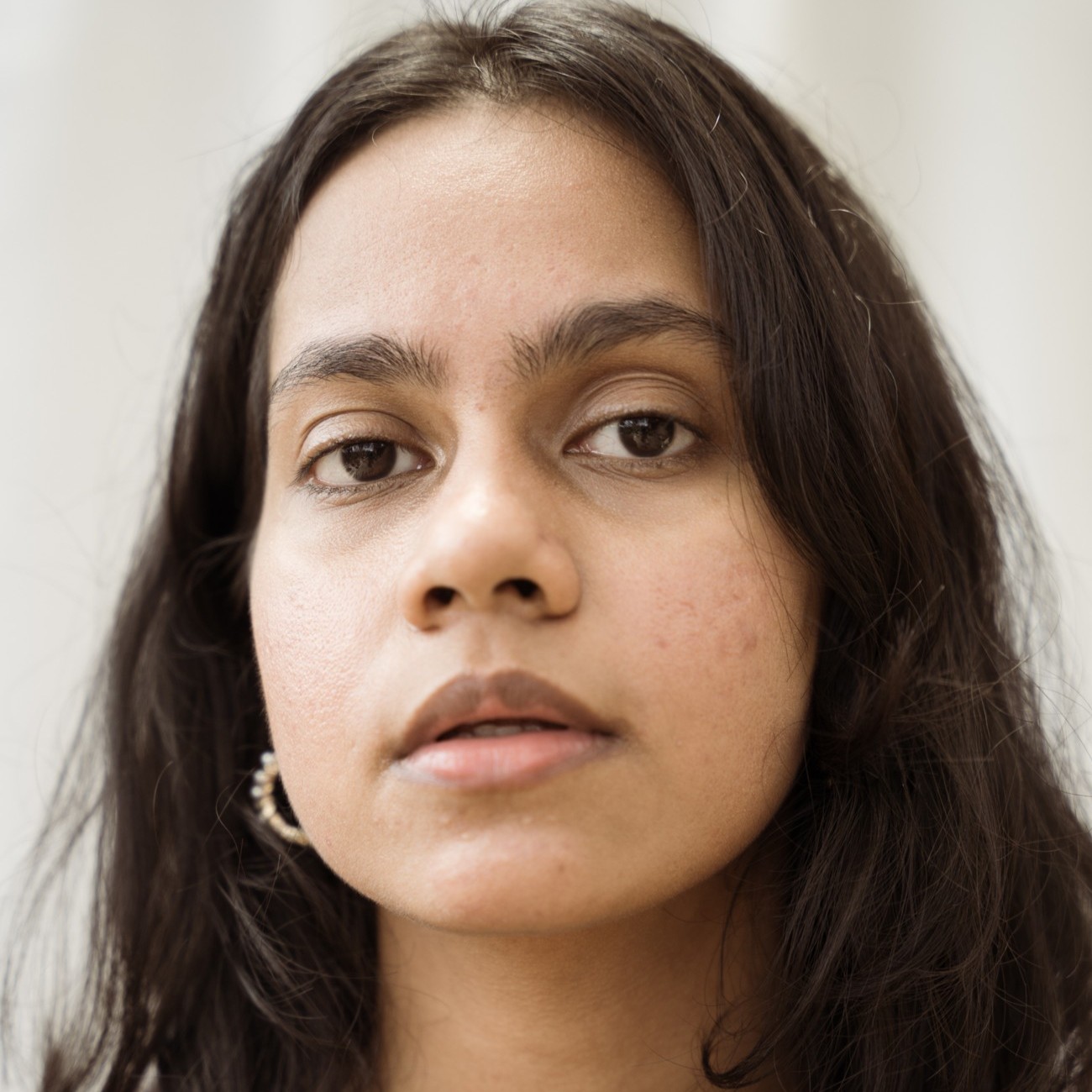
Expertise in: Women’s and minority rights in Sri Lanka
Nabeela Iqbal is an activist in women’s and minority rights in Sri Lanka where engagements were recognised by Amnesty International and the UN Youth Envoy as a young human rights defender in the face of the pandemic. She founded Sisterhood Initiative in 2020, to mobilize young Muslim women in community decision making and work to protect and advocate for their rights against discriminatory laws. She completed her postgraduate studies at University College London in Human Rights under the Chevening Award. She is the National Coordinator for Sri Lanka with the Asia Network to end female genital mutilation and cutting. Nabeela is involved in treaty body reporting as part of the 2025 NGO delegation at Sri Lanka’s 9th review under CEDAW in Geneva and is a Kofi Annan Changemaker. She was one of three recipients from across the Asia-Pacific region to the highly competitive William P Fuller Fellowship in Peacebuilding by The Asia Foundation for 2025 and a Fellow with Musawah’s Islam and gender equality and justice (I-nGEJ) Fellowship programme.
Executive Director of the Institute for Health Policy, Sri Lanka
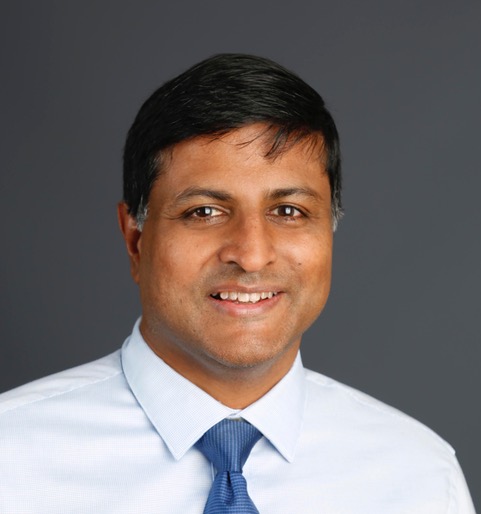
Expertise in: Health Economics, Health Equity & Health Systems
Dr Ravi Rannan-Eliya is the Executive Director of the Institute for Health Policy, Sri Lanka. He trained as a physician and in political science at Cambridge before specialising in public health and doing a doctoral degree in health economics at Harvard. He has worked as a researcher and analyst throughout the Asia-Pacific region, including most of South Asia, focusing on health equity, health systems, financing, and the emerging challenges of aging and NCDs. His recent work includes directing the only regular public opinion poll in Sri Lanka and serving on the Chatham House UHC Commission.
Member of the Global Pandemic Monitoring Board
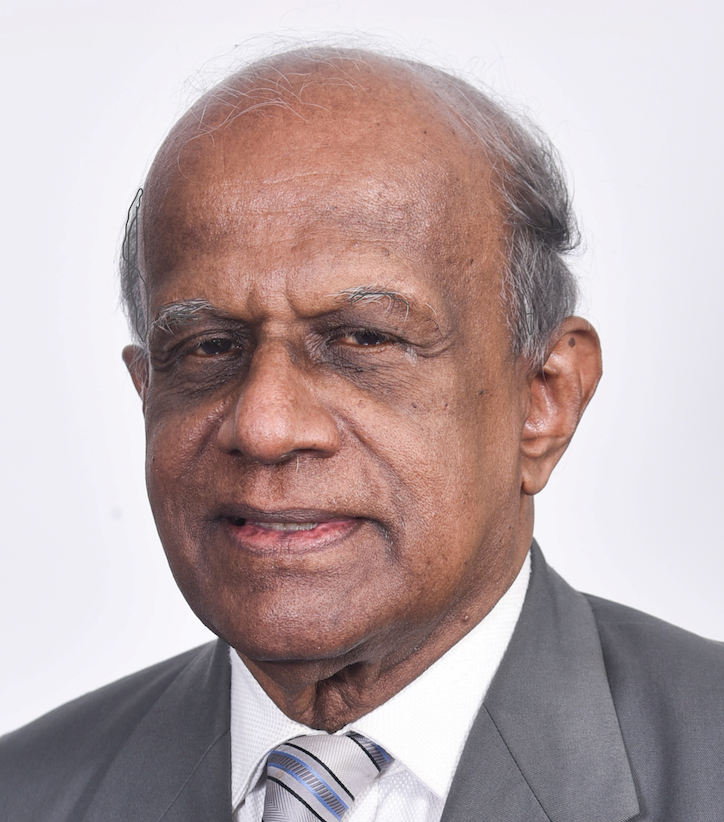
Expertise in: Global Health Systems
Dr Palitha Abeykoon serves as a Member of the Global Pandemic Monitoring Board (GPMB) of the W.H.O and World Bank. He was the Special Envoy of the W.H.O Director General for Covid-19 for the Southeast Asia Region. He is also an Advisor to the Ministry of Health, Sri Lanka, and the W.H.O.
He had his education in the Faculty of Medicine, Peradeniya, post graduate education from the University of Southern California and Harvard University. Dr Abeykoon served for over two decades in the W.H.O, with his final posting as the Director of Health Systems.
Dr Abeykoon has previously served as the President of the Sri Lanka Medical Association, Chair of the National Authority on Tobacco and Alcohol, receiving the WHO Director General’s Medal for Tobacco Control. He was has also served as President of the Sri Lanka Medical Council and Head of the SLMC’s Accreditation Unit.
In recognition of his services he was awarded the Fred Katz Gold Medal by the ANZAME, Distinguished Alumni Award of University of Peradeniya and the Lifetime Award from WONCA.
Dr Abeykoon holds Fellowships from many of Professional Colleges in Sri Lanka.
He is published widely in international journals, and has delivered numerous invited learned orations.
Intersectional Country Representative for MSF in Afghanistan
Expertise in: Humanitarian Operations
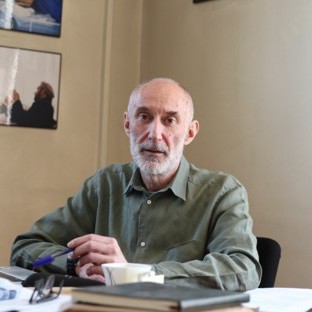
Claudio Miglietta is a senior humanitarian leader with more than 25 years of international experience leading complex humanitarian operations and strategic initiatives across Africa, Asia and the Middle East. Over the past 15 years with Médecins Sans Frontières (MSF), he has held a range of strategic leadership positions, including Head of Mission, Country Representative and Regional Programme Director, guiding large-scale humanitarian responses in some of the world’s most challenging environments.
He is currently the Intersectional Country Representative for MSF in Afghanistan, where he supports the coordination of four Operational Centres and serves as the organisation’s principal interlocutor with national authorities, United Nations agencies and international partners. His work focuses on humanitarian access, mission governance, strategic positioning and strengthening collaboration across the MSF movement.
At a time when Afghanistan faces overlapping humanitarian, economic and public health challenges, Claudio is helping advance efforts to safeguard access to quality healthcare for vulnerable populations. This includes supporting initiatives to sustain and strengthen the contribution of female healthcare workers amid the significant restrictions affecting women’s access to healthcare, education and professional opportunities. These efforts are critical to preserving essential paediatric and maternal care supported by MSF in the country, while contributing to the long-term resilience of Afghanistan’s health system.
He is particularly interested in how humanitarian organisations can adapt to increasingly complex environments through collaboration, organisational learning and innovative models of humanitarian governance.
Executive Director, MSF South Asia
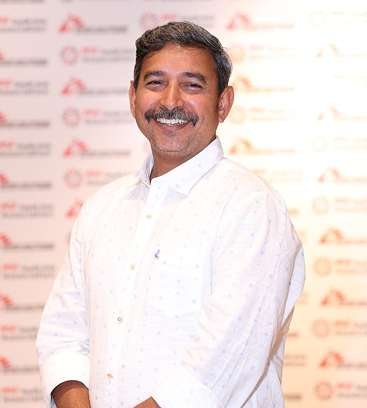
Parthesarathy Rajendran (aka Sarathi) is a humanitarian professional and global health expert with nearly two decades of experience across crisis and development contexts. He holds degrees in Economics, Anthropology, and a Master’s in International Health from Heidelberg University (Germany).
Sarathi began his career with Médecins Sans Frontières (MSF) in 2005, responding to the Indian Ocean Tsunami as a mental health project coordinator in southern India. Over 15 years with MSF, he held diverse leadership roles—including Head of Mission and Project Coordinator—in countries such as South Sudan, Ethiopia, Somalia, Bangladesh, and Nauru. After leaving MSF in 2017, he worked with other INGOs, including People in Need and Solidarités International.
He also works as a Senior Researcher at the Heidelberg Institute of Global Health, Sarathi designs capacity-strengthening programs and supports public health institutions in developing academic curricula. He has been a member of MSF International’s Board since 2021, serving briefly as International Vice President (2024–2025).
Tuberculosis Survivor and Youth Advocate
Expertise in: Women's & Social Rights
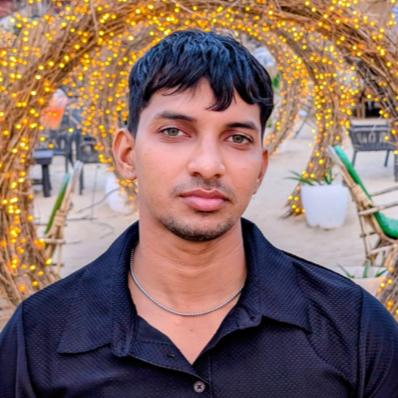
Nitesh Yadav is a two-time tuberculosis survivor, educator, and passionate youth advocate based in Mumbai, dedicated to advancing awareness, reducing stigma, and strengthening community engagement in the fight against TB. As an active member of the TB Survivors Collective, he contributes to youth-led initiatives that place lived experience at the centre of advocacy and action.
Drawing on his personal journey with TB, Nitesh has led and participated in numerous awareness sessions and drug-resistant TB sensitisation workshops across educational institutions and community platforms. A firm believer in the transformative power of youth leadership and digital platforms, he uses social media to amplify accurate information, challenge misconceptions, and create supportive spaces for those affected by TB.
Through his continued engagement with the TB Survivors Collective, Nitesh works to empower fellow survivors, elevate their voices, and contribute to building a more informed, inclusive, and compassionate society. His spotlight talk brings a survivor's perspective to the Summit, grounding the discussion in the realities of living through TB and turning that experience into collective advocacy.
Adjunct Faculty, JIPMER International School of Public Health
Expertise in: Health Rights
Dr T Sundararaman was a professor of medicine in JIPMER, Puducherry (from 1984 to 2002), before he shifted to working full time with health systems strengthening and health policy – initially, for 5 years as the director of the State Health Resource Centre, Chhattisgarh, and then as the executive director of the National Health Systems Resource Centre for 7 years. He then taught public health and health systems in CSMCH in JNU for a year and served as professor and dean of the School of Health Systems Studies at TISS Mumbai for 4 years. He has a number of publications, both books and journal articles in the field of health systems and health policy.
Other than his professional career, Dr Sundar is well known as a champion for health rights, and has helped in organising and guiding and peoples health movements, which is a global network of civil society organisations that works for health rights and health equity. He has also served as its global coordinator and as a member of its global steering council.
Currently, he is an independent consultant and an adjunct faculty in the JIPMER International School of Public Health.